If you’re spending more than a couple of days in Kyoto, the Kyoto Botanical Gardens are an easy place to slow down for a few hours. Open since 1924, they’re Japan’s oldest public botanical garden, and they offer something a little different from the gardens you may see at Kyoto’s many temples and shrines. Instead, it’s a large, well-kept public garden where locals walk, students sketch, and families come for an afternoon outdoors. If you want a break from temple hopping or crowded sightseeing areas, it’s a comfortable and low-stress place to visit.
While the Botanical Gardens don’t feature historic buildings or dramatic garden symbolism, they offer a calm, local atmosphere and a chance to see how Kyoto changes throughout the year.
About the Kyoto Botanical Gardens
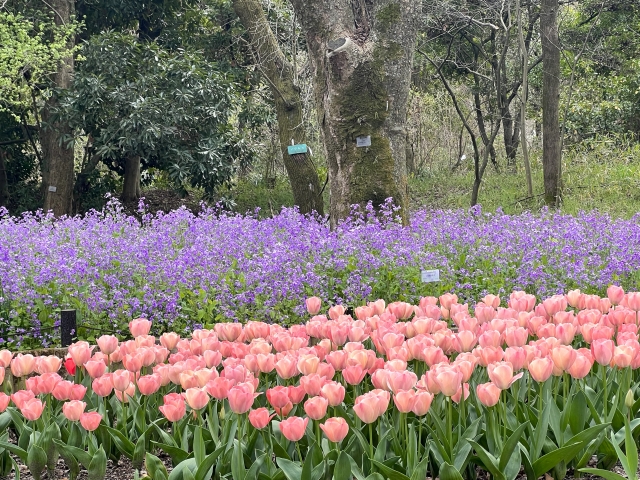
The gardens are located in northern Kyoto, just east of the Kamo River. You’ll find more than 12,000 plant species here from Japan and around the world, laid out across an expansive park space of almost 24 hectares. The layout is largely circular, with paved paths connecting themed outdoor sections and a large central conservatory. Some areas feel landscaped, and others more natural, but the overall feeling is open and relaxed. Compared to temple gardens, there’s less emphasis on careful design and more on variety and seasonal change.
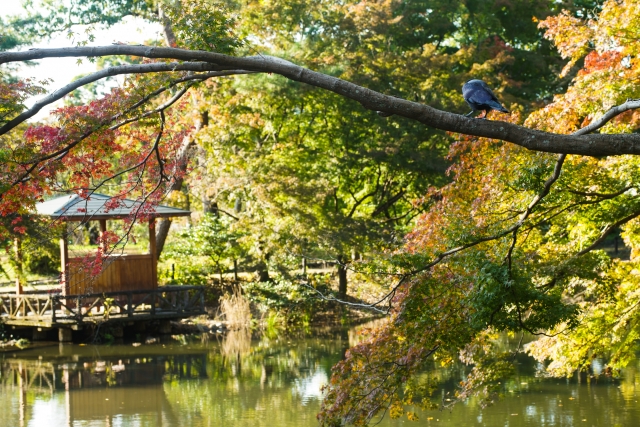
On weekdays, the gardens are usually quiet: you may see some locals strolling or students sketching plants. Weekends bring more local families and couples, but it still doesn’t feel crowded in the way many central Kyoto attractions do.
Getting There: Access and Transportation
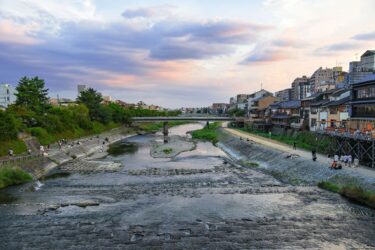
For most visitors, the easiest way to reach the gardens is by subway. Take the Karasuma Line to Kitayama Station, and you’ll find the main gate a short walk from Exit 3. Several city bus routes also stop nearby, which can be convenient if you’re staying in central Kyoto, though buses can be slower during peak hours. If you’re already walking or cycling along this section of the Kamo River, though, it’s a pleasant stop to add along the way. Bicycle parking is available near the entrances.
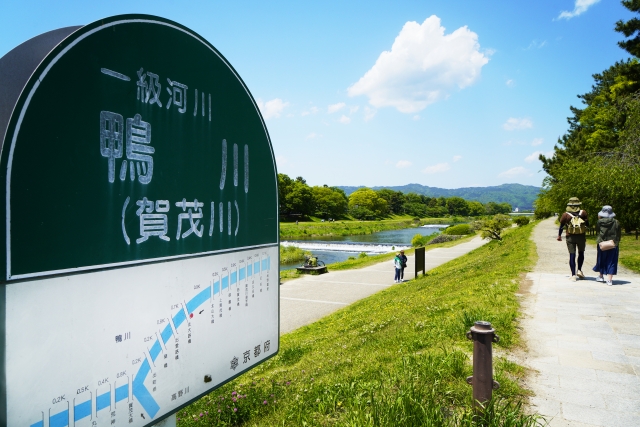
Once inside, the paths are wide and level. The gardens work well for wheelchairs, strollers, and anyone who prefers an easy walk rather than stairs or slopes. There are multiple entrances, but most visitors use the Kitayama Gate, which provides easy access to both the outdoor sections and the conservatory.
Opening Hours, Admission, and Facilities
The Kyoto Botanical Gardens are open from 9 a.m. to 5 p.m, but be advised that the last entry is at 4 p.m., unless the gardens are having a special event.
Admission is modest, with a standard adult fee of 500 yen and discounted rates for students (students junior high school age and under, though, can enter for free!) and seniors. You can buy tickets at the garden gates, and it’s best to have cash on hand to buy them.
Inside the park, aside from the beautiful, expansive grounds, you’ll find benches here and there, a playground, and even a cafe toward the center where you can enjoy a drink, a light meal, or a soft serve ice cream (see an English language map of the grounds here).
Seasonal Highlights: What to See and When
One of the best reasons to visit the Kyoto Botanical Gardens is that they feel different every time you go. Each season offers something different, and the experience can vary significantly depending on when you make your visit.
Spring (March–May)
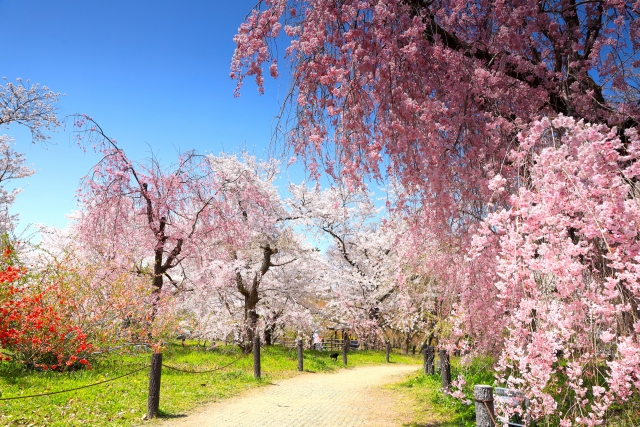
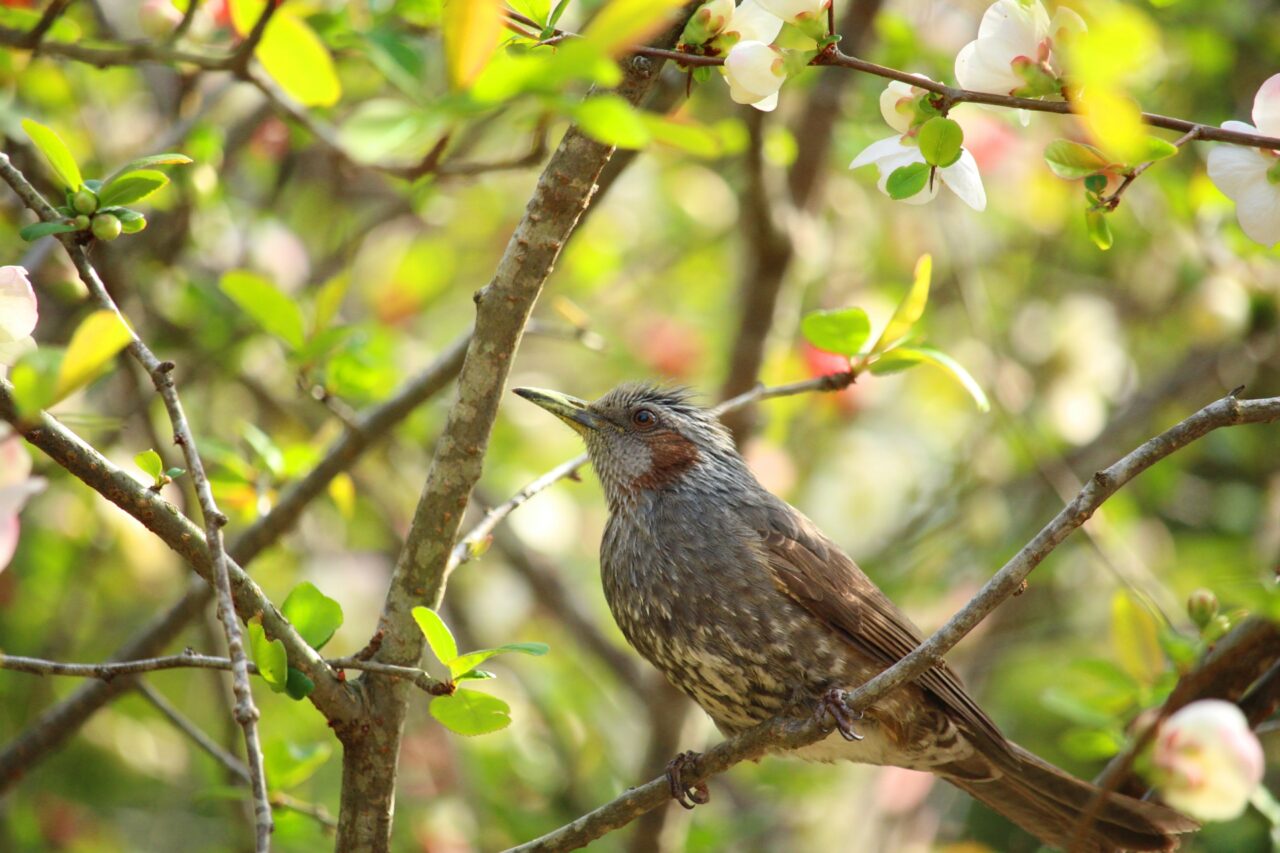
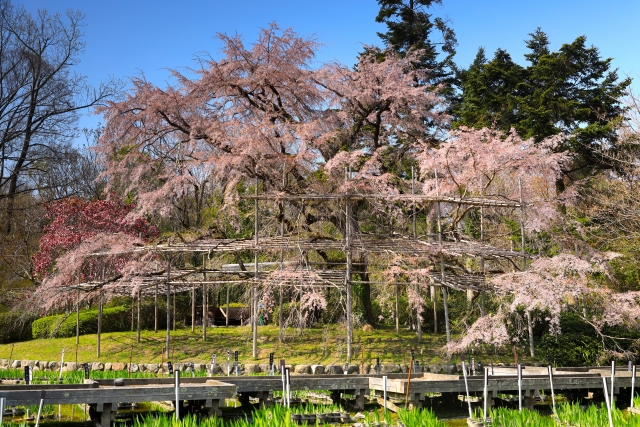
Spring is one of the most popular times to visit the gardens. Cherry blossoms bloom across a fairly wide area, so it can be a bit easier to enjoy them without crowds. Camellias, magnolias, and azaleas follow, so there’s plenty to admire throughout the season. Compared to central Kyoto cherry blossom spots, the atmosphere here is calmer and more spacious.
Summer (June–August)
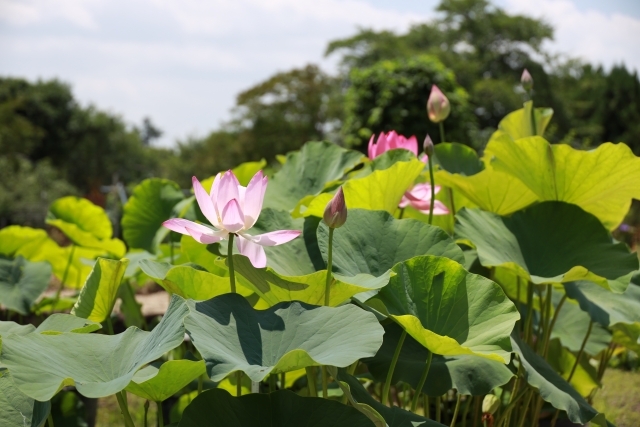
Summer is less about flowers and more about greenery (though you can definitely find both with the lotus pond and hydrangea garden!). The conservatory becomes especially appealing during hot or rainy weather, so you can retreat to a sheltered environment with tropical plants. Still, like many destinations in the summertime, you may want to make your visit in the morning to avoid the heat.
Autumn (September–November)
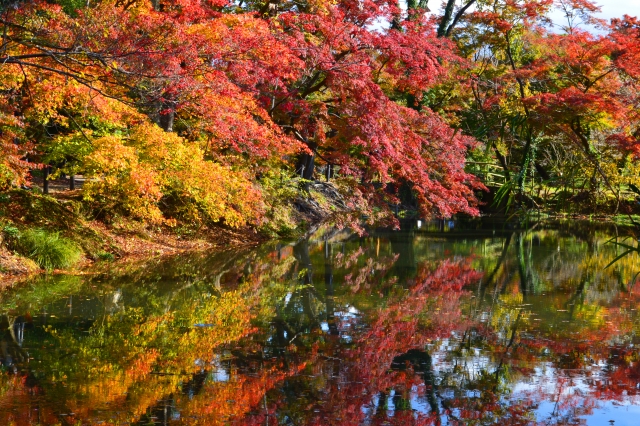
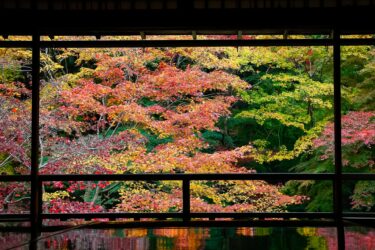
Autumn brings maple colors, of course. The appeal here is walking through gradually changing foliage rather than viewing a single dramatic scene, like those you might find at a landscaped temple garden. The cooler temperatures make walking more comfortable, too, and the Kyoto Botanical Gardens are just perfect for strolling.
Winter (December–February)
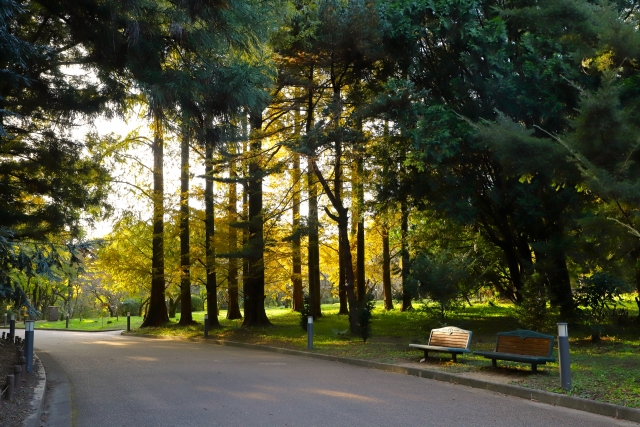
Winter is the quietest season. While outdoor flower displays are limited, plum blossoms begin to appear toward the end of the season in February. During winter, you may want to head into the conservatory to browse the orchids and sculptural cacti inside.
Key Areas of the Gardens
The Conservatory (Greenhouse)
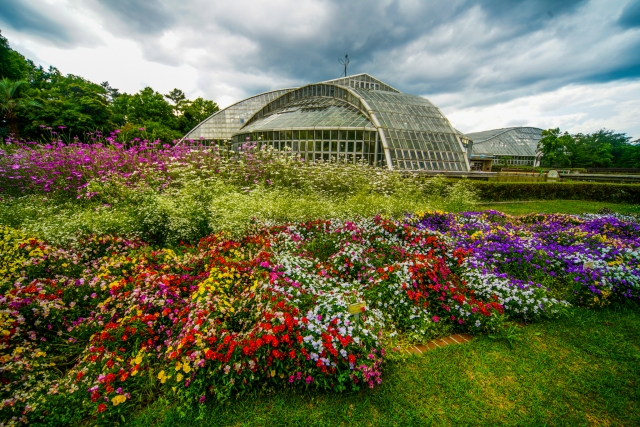
The large conservatory is one of the garden’s highlights. Inside, you’ll find tropical and subtropical plants arranged by climate zone, including palms, orchids, and aquatic plants. It’s easy to explore, and especially worthwhile in winter or during rainy weather.
Sakura and Maple Areas
Cherry and maple trees can be found in particular areas of the garden, but these areas cover wide swaths, so you can enjoy walking through them and exploring, which is fairly unique for cherry or autumn leaf sites, which usually draw crowds.
Rose Garden
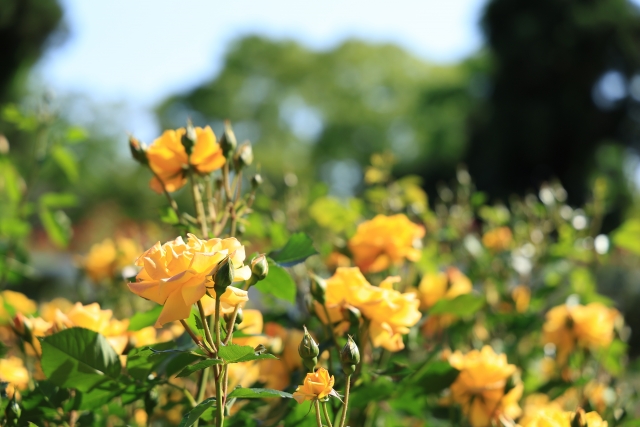
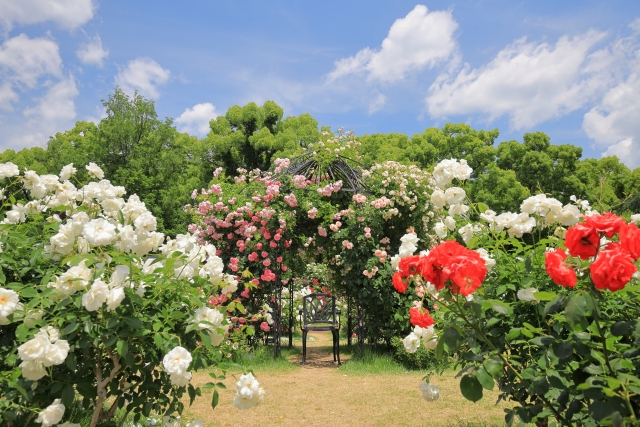
The rose garden is at its best in late spring (mid-May to June) and again in autumn (mid-October to November). There’s a stunning display of different colors and varieties that’s lovely to see, whether you’re a gardening enthusiast or not.
Native Plants of Japan Section
The bonsai section is small but easy to miss if you’re not looking for it, but an amazing spot to see some beautiful and meticulously cultivated bonsai trees up close.
Open Lawns and Rest Areas
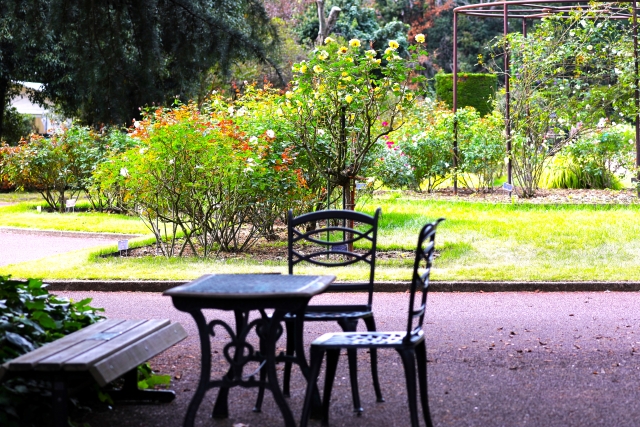
The gardens, of course, also feature a large central lawn and other rest areas where you can sit and enjoy some nature if your travels have worn you out.
The Kyoto Botanical Gardens are wonderful if you enjoy nature, seasonal scenery, and quieter places. If your time in Kyoto is very limited or focused only on famous landmarks and historic buildings, this may not be a priority. But if you want a calm, easy-to-visit space that shows a different side of the city, the gardens could be well worth a visit.