Kyoto is not a late-night party city. If you arrive expecting something similar to Tokyo or Osaka’s neon-colored bar scene, you’ll probably be surprised. That doesn’t mean there’s nothing to do after dark, of course. Mirroring the city’s daytime reputation for the more traditional, Kyoto’s nightlife tends to be quieter, more compact, and more localized. Most evening activity revolves around food, small bars, and casual social drinking rather than large clubs or all-night venues (though there are a couple of these).
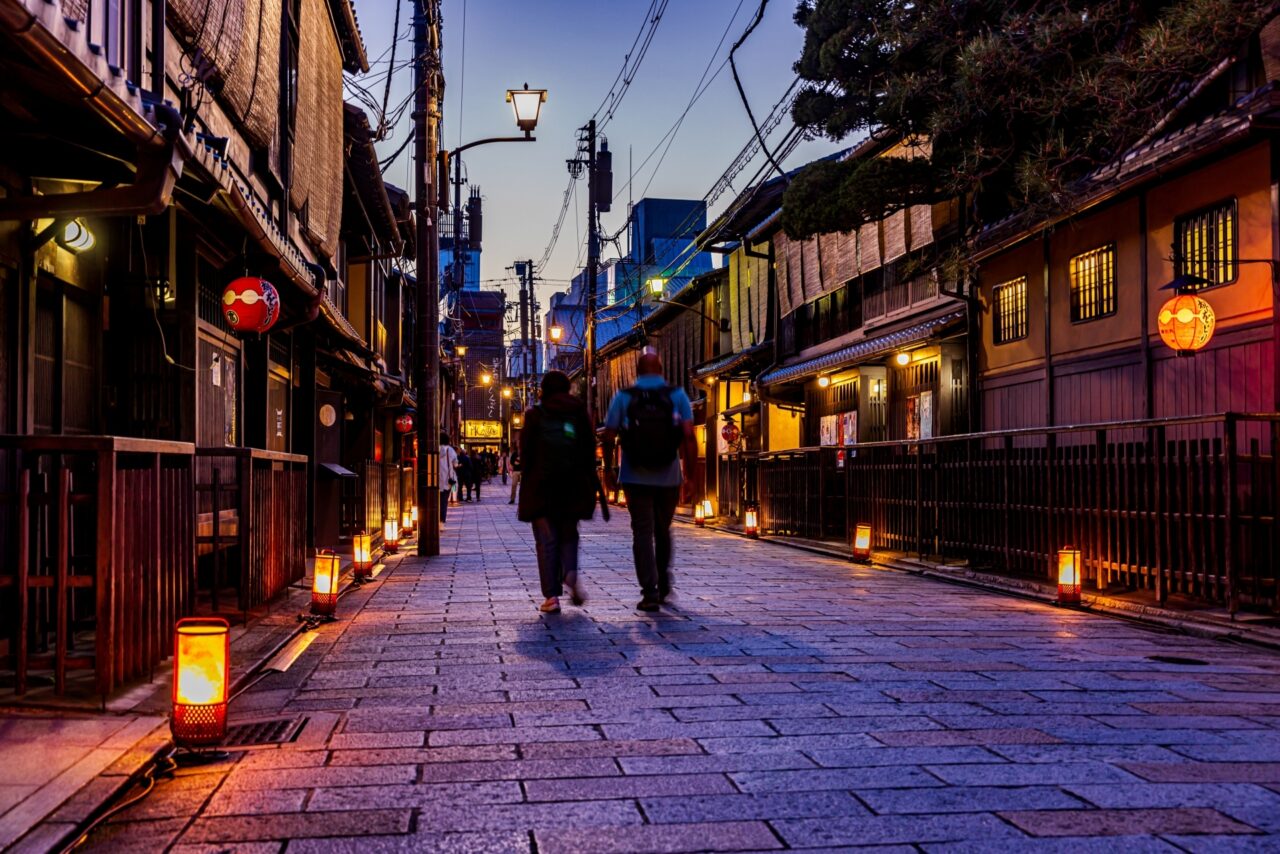
For travelers, this can be an advantage, though: Kyoto’s nightlife is generally concentrated in a few areas, largely safe, and well-suited to visitors who want to go out for a few hours without committing to a long night. While you can find some clubs and bustling bars, the evening scene here also has a character all its own that can find you drinking alongside locals in tiny standing bars and exploring the lantern-lit streets of Pontocho after the temples close.
What Nightlife Looks Like in Kyoto
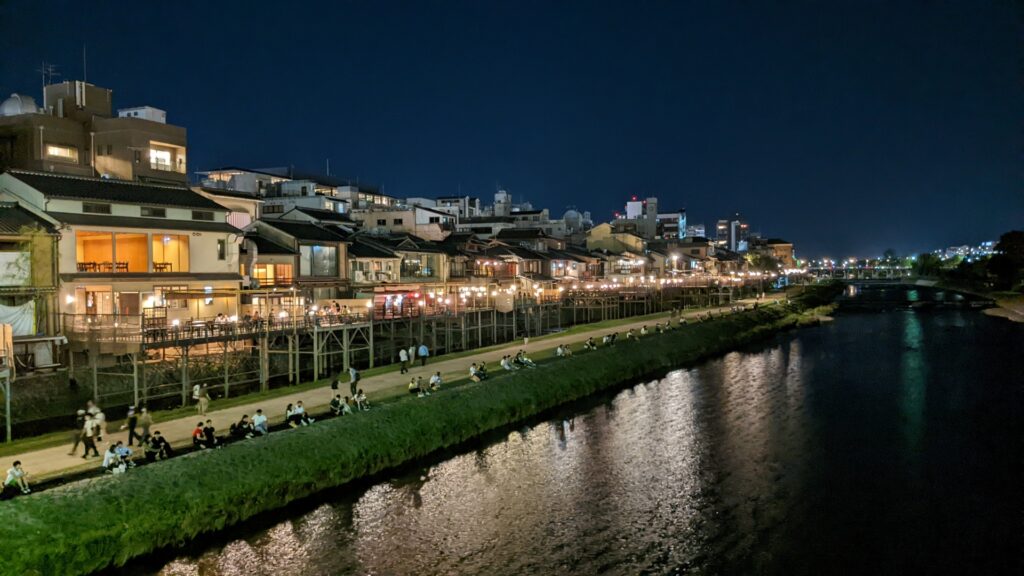
Kyoto keeps slightly earlier hours: dinner typically runs from around 6:00 to 9:00 p.m., and bars fill up from this time onwards. Many venues close by midnight, partly because the last trains of the night usually depart around that time. After midnight, if you need to get somewhere, a taxi will probably be your best bet if it isn’t reachable on foot.
In Kyoto, the neighborhoods that stay active latest are Kiyamachi, Kawaramachi, and parts of Gion. Downtown areas around Shijo generally have more options past midnight than districts further north or east. The city’s smaller population means you’re more likely to find cozier venues with regular customers than massive entertainment complexes. It makes for a more intimate experience, though some places may feel closed off to outsiders or require reservations.
Main Kyoto Nightlife Areas to Know
Kawaramachi and Shijo
Broadly speaking, the area around Kawaramachi and Shijo Streets is the most convenient place for most visitors to spend an evening. It’s well connected by public transport and has the highest density of restaurants, izakaya, bars, and a small number of clubs. Kyoto has several small breweries, and bars in the area often feature local and Japanese craft selections alongside international options.
This area is a good starting point for first-time visitors, because you can easily move between places on foot, and English menus are more common here than elsewhere in the city.
Pontocho Alley
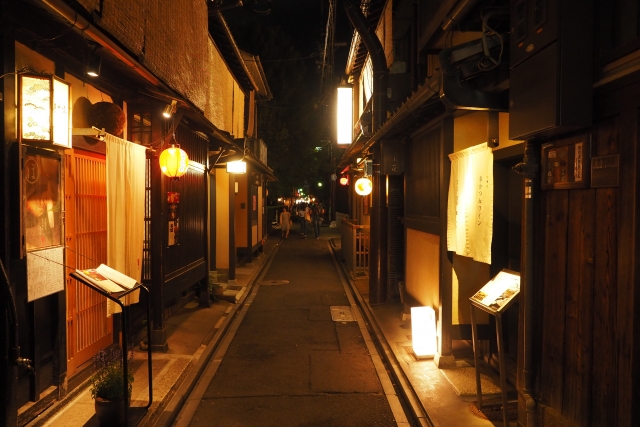
Pontocho is a narrow pedestrian alley running along the Kamo River, parallel to Kawaramachi. Known for its compact bars and restaurants, many of which are located on upper floors, you’ll often only see a small sign and a staircase from the street level. Prices here can vary widely from more casual restaurants to high end venues mostly aimed at locals.
Kiyamachi Street
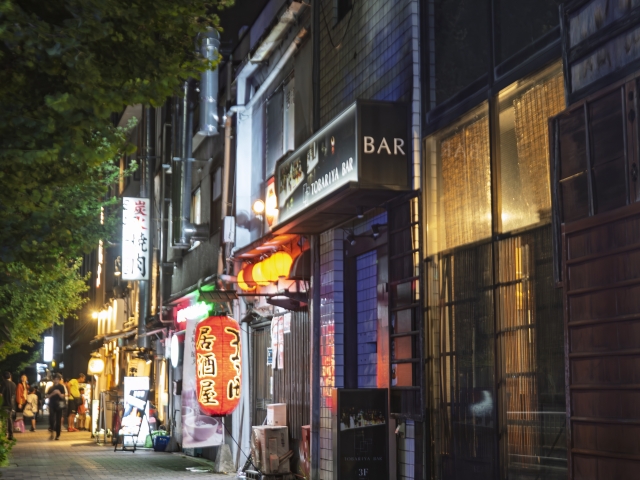
Kiyamachi runs along the canal just east of Pontocho and tends to be more lively and informal. This is where you’ll find many of Kyoto’s clubs and music bars, as well as late-night casual spots. The crowd skews younger, including students and international visitors.
Gion After Dark
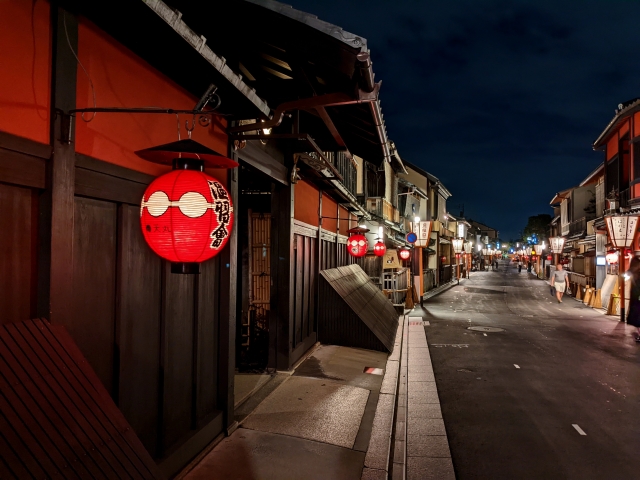
Gion is often mentioned in guidebooks, but much of its southern end is not a nightlife hub in the usual sense. Most streets are quiet after dinner hours, and many bars are either very expensive or operate on an invitation-only basis. There are more bars north of Gion’s famous Hanamikoji Street, but much of Gion’s central and southern areas work better as a place for an early evening meal or a short walk rather than a late-night destination.
Drinking in Kyoto: Your Options for Bars & Venues
Izakaya
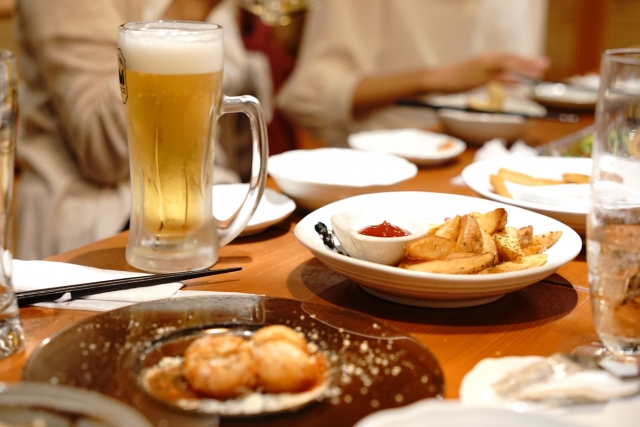
Izakaya are informal Japanese pubs focused on food and shared plates. You order drinks and small dishes tapas-style over time rather than all at once. Many charge a small cover fee, which often includes a simple appetizer.
If you’re traveling on a budget, large chains like Torikizoku and similar izakaya offer predictable pricing and English menus. Smaller local izakaya may feel intimidating, but staff are generally patient with visitors who make an effort.
Cocktail and Whiskey Bars
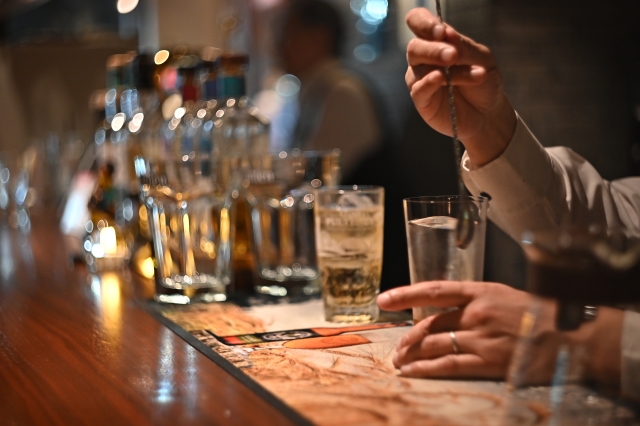
Kyoto has a reputation for small and atmospheric cocktail bars, many of which seat fewer than 10 people. You’ll find them tucked away all throughout the neighborhoods above when you’re looking for a more refined drinking experience, whether that’s more classic cocktails, or something a little more thematic.
Standing Bars (Tachinomi)
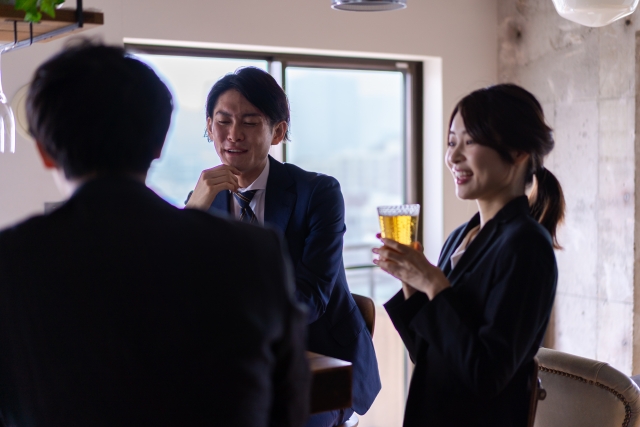
Standing bars are casual spots where customers drink – as the name implies! – without sitting down. These can be a bit more affordable, and better for a brief stop for some drinks and small dishes. Tachinomi, as they’re known, are great for solo travelers if you’re looking for a low-pressure experience.
Clubs and Live Music
Nightclubs
Kyoto has a limited club scene, and venues are small compared to those in larger cities, but you can find a few clubs like World Kyoto near Shijo Karawaramachi.
Further up the Kamo River at Marutamachi Station you’ll find Club Metro, Japan’s oldest nightclub. A little on the smaller side, this one is a Kyoto institution, and regularly hosts different DJS, events, and drag nights.
Live Music
Kyoto has a number of live music venues scattered throughout the city, and especially in the Shijo Kawaramachi/Kiyamachi area, though they’re usually on the smaller side. Still, you can hear a variety of music genres with a little research in advance! UrbanGuild Kyoto, for example, has jazz, acoustic, and other live performances, including art and other events.
Things to Do at Night Without Drinking
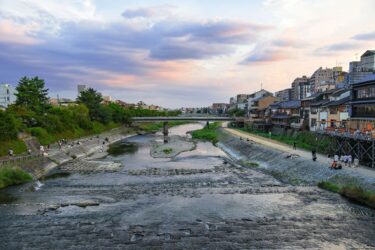
Not all evenings in Kyoto need to revolve around bars. Walking along the Kamo River is popular among locals for a reason, especially in warmer months – during the summer, it can stay balmy into the night hours. You’ll see people sitting along the banks with food and drinks here in the evenings, and throughout the day during the shoulder seasons.
Convenience stores are also part of everyday nightlife in Japan and are perfect for quick meals, snacks, or drinks at all hours, as they’re usually open 24/7.
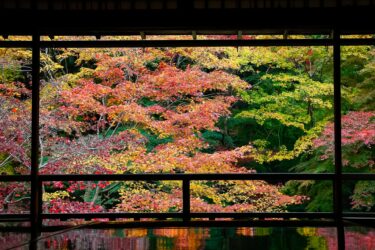
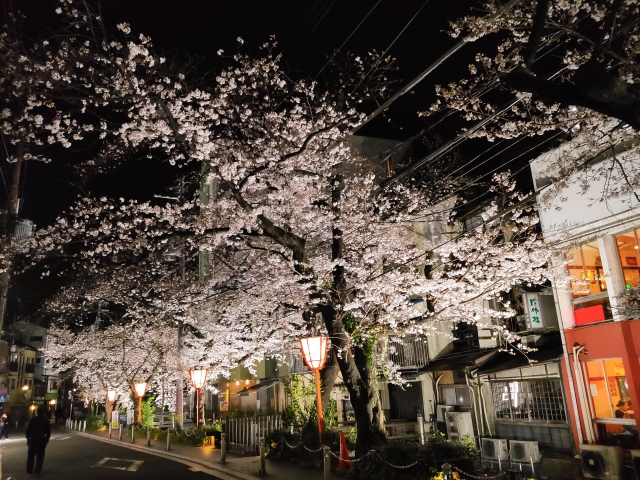
Depending on the season, some temples and gardens offer nighttime illuminations, though these are usually early evening events rather than late-night activities. They tend to be more common during the cherry blossom and autumn leaf seasons, so be on the lookout on major temple websites if you’re visiting around this time!