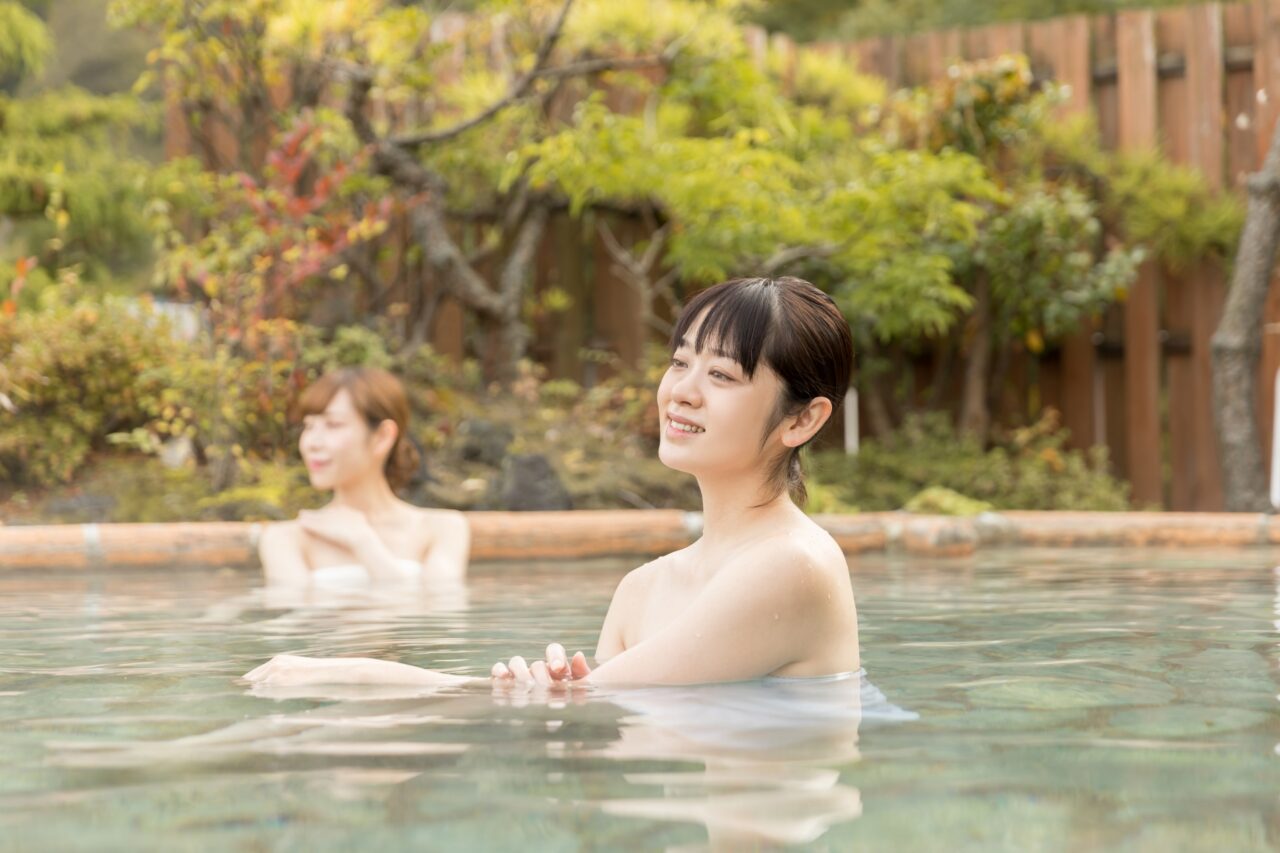
Onsen, or hot springs, are one of those quintessential Japanese experiences. Kyoto is often thought of as the center of “traditional” Japan, and you might assume that includes onsen galore. In fact, the city isn’t home to as many as you might think. Still, there are a number of options throughout the city and surrounding areas that are perfect for experiencing that Japanese hot spring serenity. Whether you’re visiting in the winter or the muggy summer months (yes, even then!), you don’t want to miss out on an indulgent soak in these traditional baths.
Let’s take a look at the onsen you need to visit, and what you need to know on your visit.
Onsen vs. Sento: What’s the difference?
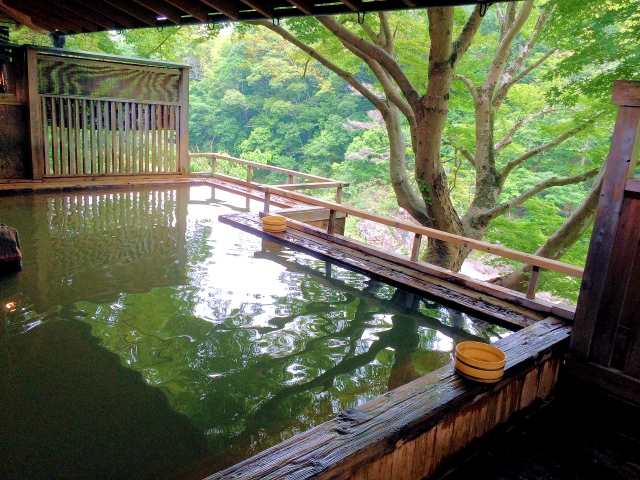
If you’re new to Japanese bathing culture, you may want to start by understanding the difference between onsen and sento. Both are communal baths, but they’re different in origin and atmosphere.
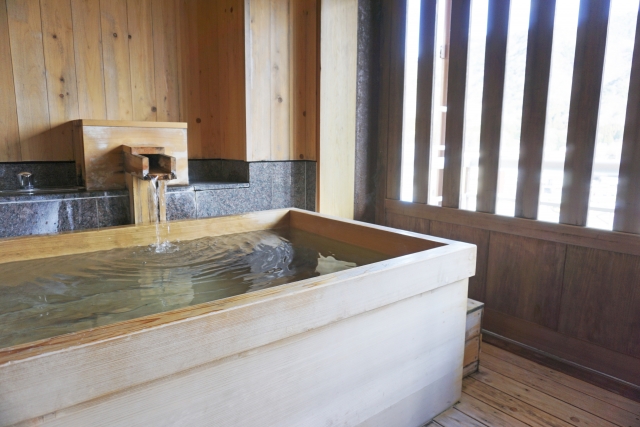
An onsen is a hot spring bath: the water is mineral-rich and comes from a natural, geothermally heated source, often deep underground. It’s this natural spring water that gives onsen their reputation for relaxation, and sometimes other more rejuvenating benefits for the skin, joints, and muscles. Onsen might be indoors or outdoors, and come in a variety of presentations, but most higher-end bathing facilities you’ll find in Japan will be onsen. Because hot springs are a natural phenomenon, there may be multiple baths near one spring, and these are often destination “onsen towns.”
By contrast, a sento is a public bathhouse, which are common throughout Japanese cities, and typically uses regular, heated tap water. These are often smaller and often somewhat humbler facilities, frequented by neighborhood locals. Historically, sento have served as a neighborhood amenity for people to bathe and get clean when not everyone had a bath at home.
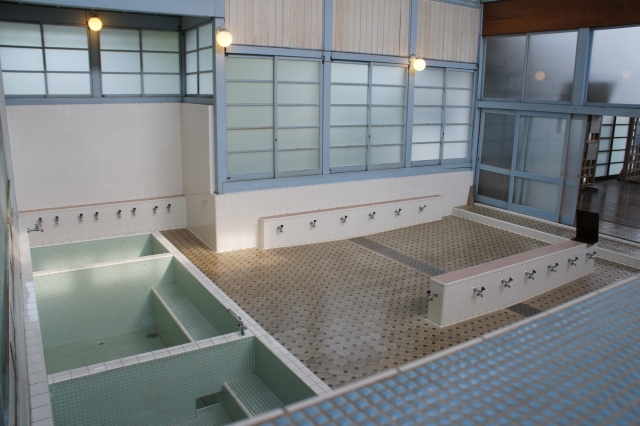
In other words: all onsen are baths, but not all baths are onsen.
When you’re shopping for a “hot-spring experience,” you’re usually after an onsen.
Your Onsen Options in Kyoto
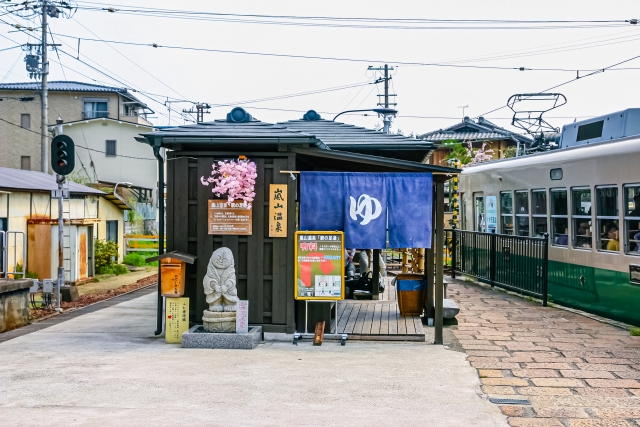
Even though Kyoto isn’t known as a hot-spring resort region, there are still a few good ways to enjoy a soak.
Enjoy the Onsen Experience at a Ryokan
Staying at a ryokan, a traditional inn, is one of the most memorable ways to enjoy an onsen. Many ryokan include onsen baths, sometimes both indoor and outdoor. In some cases, you can even book a room with a private bath, which can be a great option if you want more privacy or have tattoos.
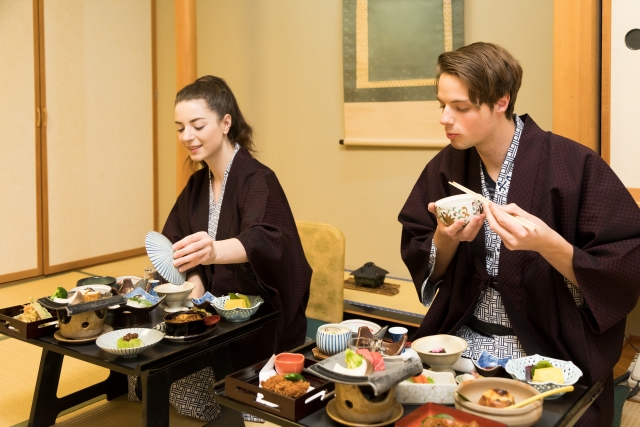
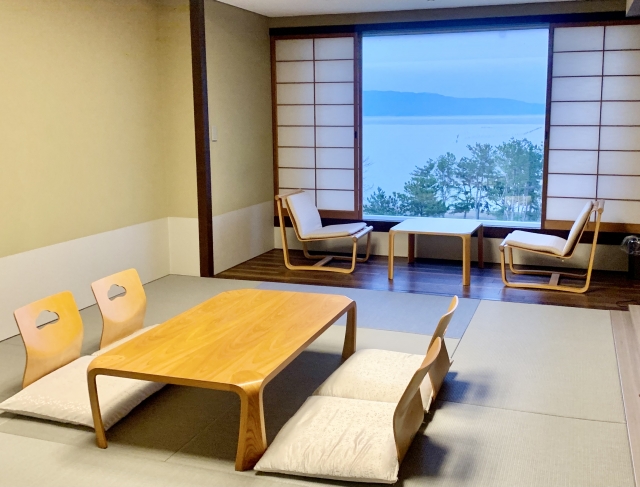
This option, of course, gives you more than a bath: you can relax in a yukata inside, sleep on a Japanese-style futon on tatami mats, and enjoy in-room meals that are all part of the ryokan experience.
Venture Out to an Onsen in Surrounding Areas
If you’re set on a true hot spring soak, you can find a number of options a short trip outside central Kyoto. These don’t require an overnight stay, and many are located in natural environments for a more atmospheric soak.
Best Onsen in Kyoto
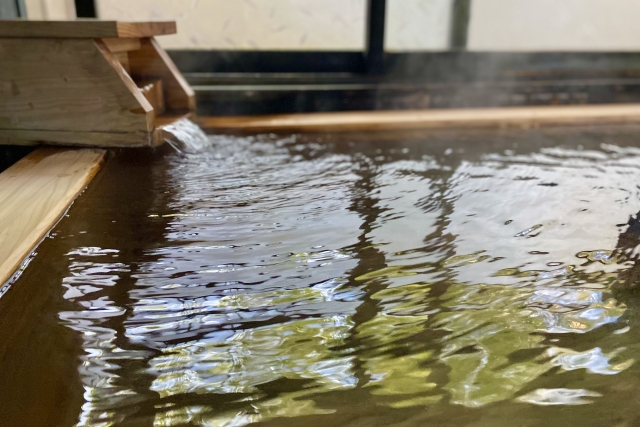
Here are some of the top onsen and bathhouse options in and around Kyoto, whether you’re staying in the city or are open to a short trip.
Kurama Onsen
Located north of the city in the rural Kurama area, this onsen is a peaceful getaway surrounded by forested mountains. It’s a popular half-day destination, especially if you combine it with a visit to Kurama-dera Temple or a short hike to nearby Kibune. The outdoor bath is the highlight, with views of nature.
It’s one of the best choices if you want an onsen experience without venturing too far. You will be greeted by a large red tengu (a creature in Japanese folklore) statue at the station, though!
Tenzan-no-Yu (Arashiyama Area)
This large and modern bath complex is located on the western side of Kyoto, not far from Arashiyama’s famous bamboo grove and riverside scenery. While not a traditional ryokan style, which you can find in inns in Arashiyama, Tenzan-no-Yu offers plenty of baths, along with saunas and lounging areas. It’s easy to access and convenient after a day of sightseeing.
Funaoka Onsen (Kyoto City Sento)
Despite the name, Funaoka Onsen is technically a sento, but it’s one of Kyoto’s most beloved. Dating back about a century, it has a nostalgic atmosphere with beautiful carved wooden details. There are several types of baths to try, and it’s right in the city, making it ideal if you want a quick experience without travel.
Yunohana Onsen (Kameoka)
Just west of Kyoto, the Kameoka area is home to Yunohana Onsen, a small hot-spring district surrounded by nature. It’s a calm and quiet spot known for ryokan stays with relaxing mineral baths. This area is great if you want a chance to unwind overnight outside the busy city but still remain close enough for sightseeing.
A Note on Northern Kyoto
There are also onsen areas in northern Kyoto Prefecture, including seaside hot spring towns. These can be wonderful destinations if you have more time, but they require a longer journey and work best as part of a multi-day adventure, not a quick Kyoto City visit.
How to Enjoy Onsen & Bathhouses
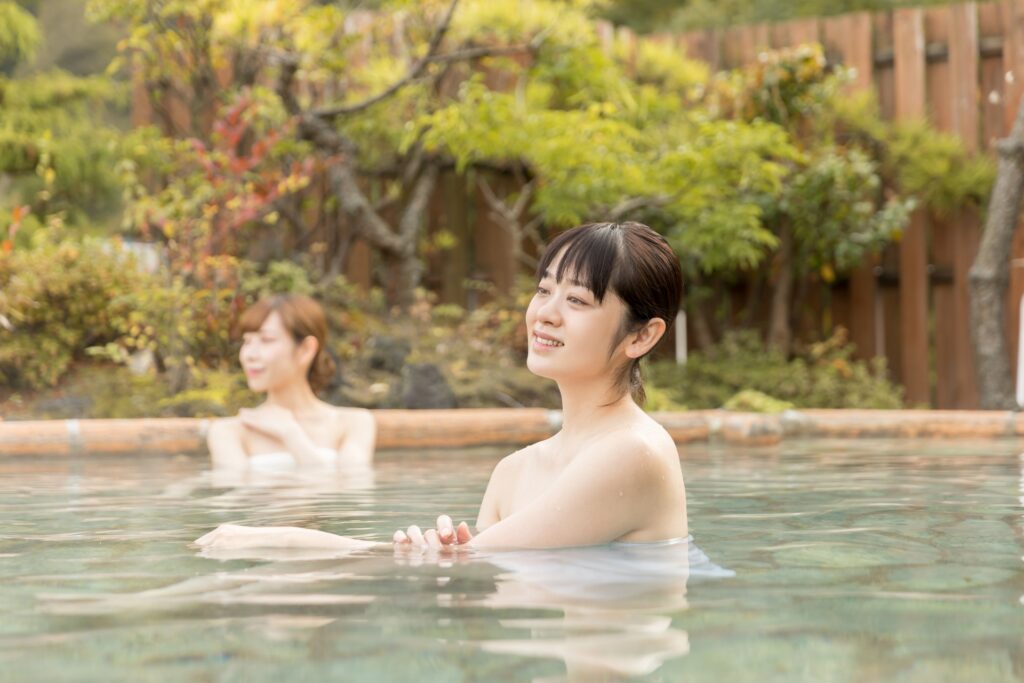
To make your experience smooth and stress-free, keep these tips in mind:
- Onsen and bathhouses are usually separated by gender.
- Bring a small towel (or rent/buy one there) and your own toiletries unless included in the fee.
- Lockers or baskets are provided for clothes and valuables, but it’s best not to bring anything too precious.
This is always tricky in a foreign culture, but onsen have particular etiquette rules you’ll need to follow:
- Wash thoroughly before entering the bath. You’ll find stools, showers, and soap in a separate washing area.
- Bathing is done nude. Swimsuits are not allowed in most traditional facilities.
- Keep towels and hair out of the water. Many people fold their small towel and place it on their head.
- Be mindful of noise. People come to relax, so keep conversations quiet.
- Tattoos may be restricted. Many onsen and bathhouses deny entry to guests with visible tattoos.
- Payment is usually at the front desk or ticket machine. Some larger facilities charge extra for towel rental or sauna access.
Kyoto may not be the first city that comes to mind when planning a hot-spring holiday in Japan, but the options it does have are well worth seeking out. If you want to browse locations by area, hours, and facilities, the Kyoto onsen map is a helpful tool.