Kyoto’s best-known museums are popular for good reasons, but if you’ve visited the city before, you may find yourself looking for places that are less crowded and easier to take at your own pace. Beyond the large national museums and headline attractions, Kyoto has a wide range of small, specialized museums that focus on specific crafts, local history, or neighborhood industries. These places may not appear on as many “must-see” lists, but that doesn’t mean they don’t house wonderful treasures.
If you’ve already visited and seen Kyoto’s major highlights, these museums can be a refreshing change of pace. Venture in, and you might just find something incredible.
Museum of Kyoto
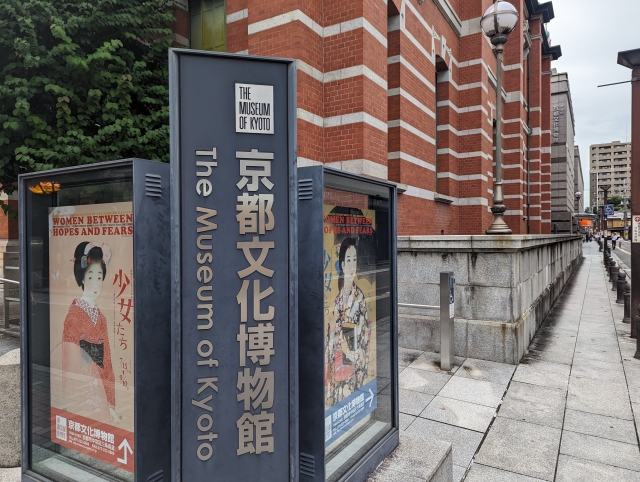
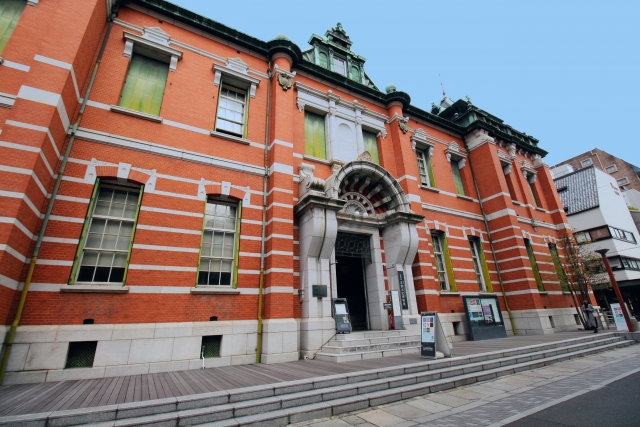
The Museum of Kyoto is located in Kyoto’s downtown area, but it often flies under the radar, despite lovely exhibitions on Kyoto’s history and culture. The museum spans two buildings, including the former Bank of Japan building, with its retro, red brick exterior, which dates to the 19th century. Inside, you’ll find permanent exhibitions on the history of Kyoto, as well as arts and crafts, and even a film theater that plays Japanese film classics twice a day.
The Museum of Kyoto also features regular special exhibitions of artwork from Japan and around the world. Given its central location, it’s an easy choice to stop by the museum in between shopping or dining in the area.
See the Museum of Kyoto on Google Maps
Museum of Kyoto English Website
Hosomi Museum
The Hosomi Museum is a small, privately run art museum located near Okazaki Park (a hub for museums in Kyoto) that often goes unnoticed by visitors heading to larger institutions nearby. Its focus is on traditional Japanese art, including many exquisite master paintings, calligraphy, ceramics, and tea ceremony-related objects drawn primarily from the Hosomi family collection. Incredibly, the works here cover almost every period of Japanese history.
On the museum’s third floor, you’ll even find a tea house where visitors can experience tea ceremony (there is a regular cafe as well).
See the Hosomi Museum on Google Maps
Kyoto Museum of Crafts and Design
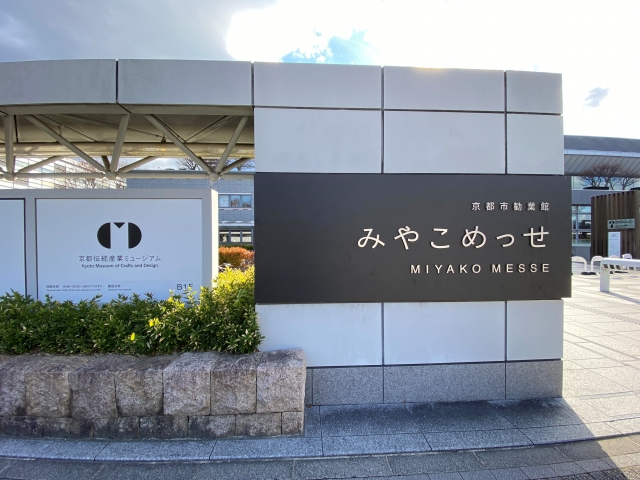
Located near Higashiyama, the Kyoto Museum of Crafts and Design is surrounded by shrines, temples, and major art museums, and may go unnoticed because it’s located inside Miyako Messe, the Kyoto International Exhibition Hall. But if you venture inside, you’ll find one of the clearest introductions to Kyoto’s many traditional crafts.
THe exhibits cover a wide range of crafts, including textiles, ceramics, lacquerware, and bamboo work. One especially unique feature of this museum are its workshops and demonstrations, though schedules may vary (check their website below). Still, this makes the museum unique in its focus on living crafts and how they’re made, rather than just viewing them behind glass.
See the Kyoto Museum of Crafts and Design on Google Maps
Kyoto Museum of Crafts and Design English Website
Kyoto City Archaeological Museum
The Kyoto City Archaeological Museum is easy to miss, even for visitors who enjoy museums. It doesn’t house famous artworks, and it doesn’t focus on Kyoto at the height of its imperial power. Instead, it looks further back, using archaeological finds to explain how people lived in the Kyoto basin before the city became Japan’s capital.
The displays include excavated tools, pottery, and settlement remains, along with maps and models that show how early communities developed. The museum itself is small, but a great visit if you’re interested in the city’s very early history. Best of all, the museum is free!
See the Kyoto City Archaeological Museum on Google Maps
Textile Museums in Nishijin: Kyoto’s Weaving District
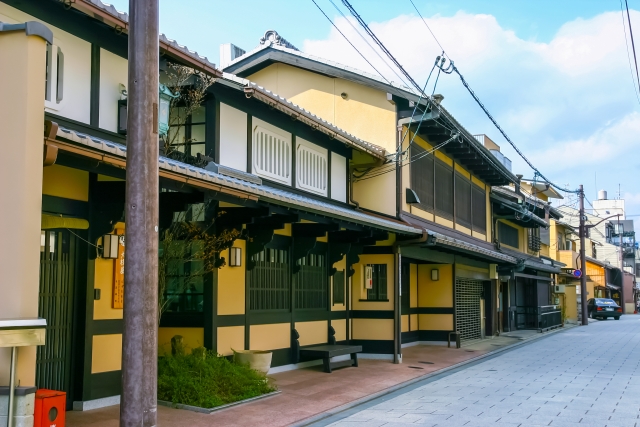
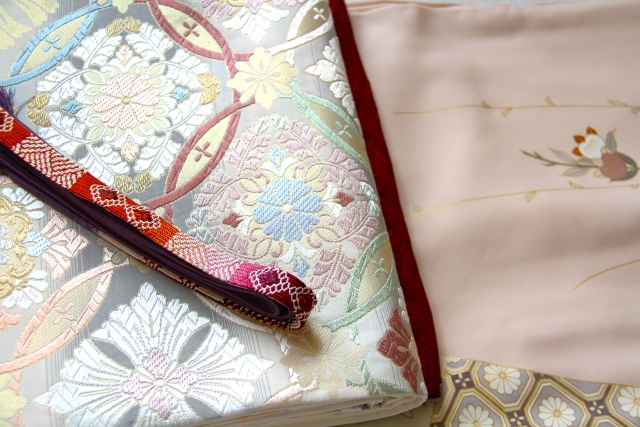
Nishijin, in northwest Kyoto, has been a center of textile production for centuries. While the area doesn’t attract many tourists, visiting Nishijin also offers a chance to explore a residential part of Kyoto that feels far removed from the main sightseeing routes. What’s more, it’s home to several small museums dedicated to the weaving and dyeing traditions that live on to this day.
Nishijin Textile Center
The Nishijin Textile Center offers a great introduction to the area’s weaving traditions. Exhibits explain the basics of Nishijin-ori textiles and the looms on which they’re made. You can even try your hand at the craft during a workshop, or catch a live demonstration – you can find details on this sort of event and make reservations on their website below. The Nishijin Textile Center also hosts live kimono shows to demonstrate the rich fabrics the area is famous for.
The center features plenty of English-language information and activities, which makes it a good starting point in understanding the Nishijin craft, even if you don’t have a background in textiles.
Nishijin Textile Center English Website
See the Nishijin Textile Center on Google Maps
Orinasu-kan
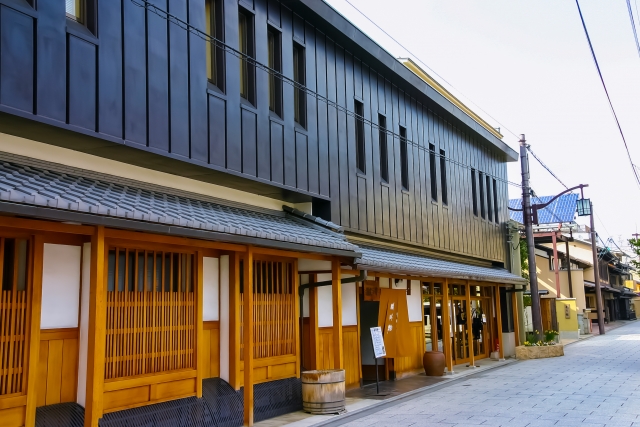
Just a short walk from the Nishijin Textile Center, the Orinasu-kan offers a more intimate look at Kyoto’s weaving heritage. Housed in a traditional Nishijin-style townhouse that once served as both a home and workshop for textile makers, the museum displays hand-woven fabrics and antique textiles, including historic Noh costumes and kimono textiles from the Edo (1603-1867) through Showa (1926-1989) periods, giving a sense of how textile design and techniques have evolved over time.
In addition to viewing exhibits, visitors can often see weavers at work on the looms, and detailed tours and explanations in English can be arranged, though it’s a good idea to check availability and reserve in advance.
This museum is a wonderful visit if you’re interested in textile craftsmanship beyond big exhibits, are curious about how the weavers work, or want a quiet, focused stop while exploring the Nishijin district.
See the Orinasu-kan on Google Maps
Kiyomizuyaki no Sato Museum

Kyoto’s ceramic traditions are well known, but most visitors encounter them only through souvenir shops. The Kiyomizuyaki no Sato Museum focuses on Kiyomizu-yaki pottery, which is traditionally associated with eastern Kyoto, where kilns sprung up near Kiyomizu-dera Temple. Today, many of these kilns – and this museum – are located just over the hill from the temple, in Kyoto’s Yamashina Ward.
The Kiyomizuyaki no Sato Museum displays beautiful examples of the range of pottery styles produced by local area kilns, including handcrafted items that are available for purchase.
See the Kiyomizuyaki no Sato Museum on Google Maps
Slowing Down with Kyoto’s Smaller Museums
Kyoto’s quieter museums don’t compete with its famous attractions, and they don’t need to. You may not need to fight the crowds or pick an optimal day or time of day to make your visit, but you’ll find that some of the museums listed here are truly some of the city’s hidden gems.