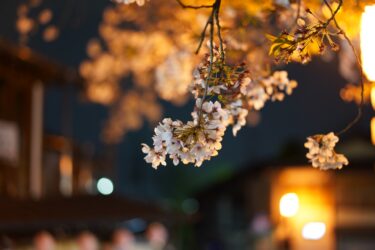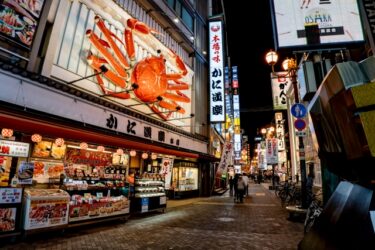
When you first visit Japan, whether you know it or not, you’re likely to travel along what the Japanese call the “Golden Route”: stops along Japan’s major cities from Tokyo to Osaka or Hiroshima. The cities you’ll include on your own trip may vary, with one exception: Kyoto will definitely be on the list.
So how many days should you allocate for a trip to Japan’s historical capital?
The answer will depend somewhat on the kind of travel you want to do, and who else you’re traveling with (kids or older adults in your group may mean a different pace and possibly some different activities). One thing’s for sure, though: Kyoto is no one-day side quest from Tokyo.
What Can You Realistically Do in One Day in Kyoto?
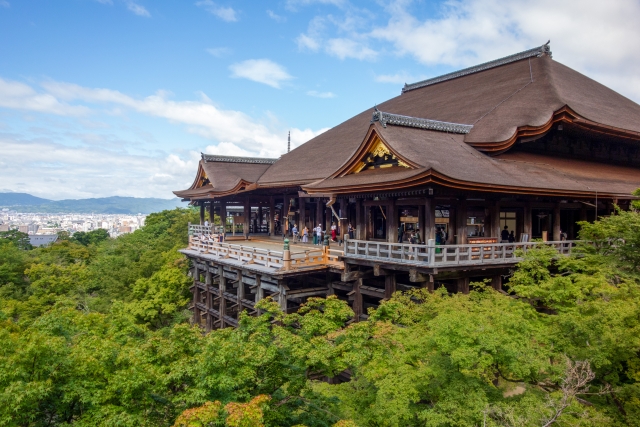
If you must know the answer, realistically, you won’t be able to see and do much in a single day in Kyoto. That’s not to say there isn’t anything worth seeing, or that it’s actually impossible – if you really only have one day to spare and just want to see a snippet of the city no matter what, of course you can technically see one or two sites – but you’ll only be scraping the very surface, and likely missing out on the city’s true charm.
But let’s say you choose the whirlwind tour. Assuming you have a full day, you can start out early to beat the crowds, and focus in on one, or maybe two districts or sites you want to see.
Fushimi Inari & Downtown Kyoto
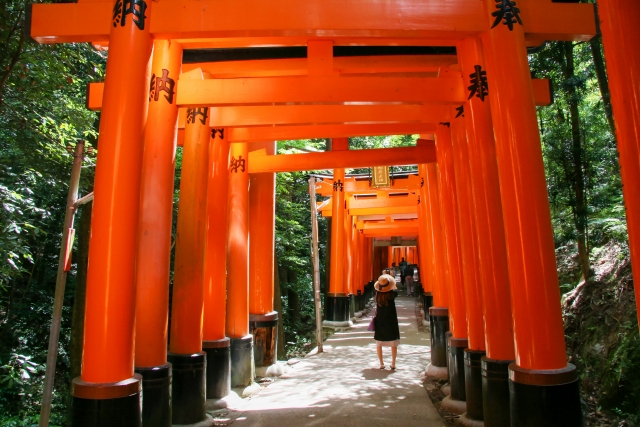
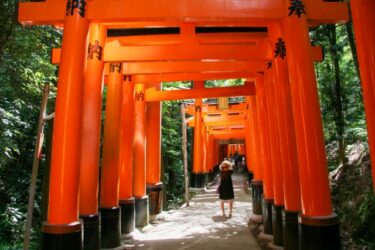
Head out bright and early to Fushimi Inari Taisha, the incredibly picturesque shrine known for its hundreds of red torii gates and fox guardians. It’s a popular location that can draw throngs of people during the day, so making an early visit not only gives you enough time to see other things, but a better chance at enjoying the unique atmosphere of the shrine grounds and really take your time – maybe even all the way to the top!
After your shrine visit, head back north to downtown Kyoto to explore dining and shopping in Kawaramachi, in the shopping arcades of Teramachi and Shinkyogoku, or wandering through the neighborhoods nearby to discover a delicious bite or tucked away shop.
In the evening, visit Pontocho, a narrow and atmospheric alleyway full of restaurants lining the western side of the Kamo River.
Eastern Kyoto/Higashiyama & Nishiki Market
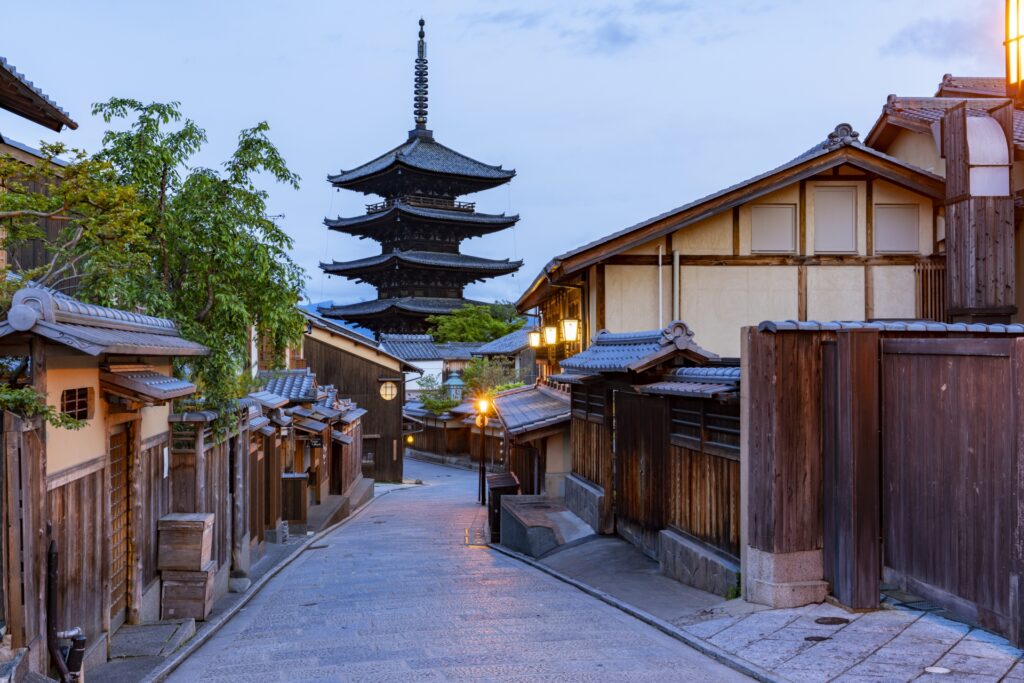
Since Kyoto is best known for its history as Japan’s capital during the Heian era (794-1185), it’s rich with hundreds of beautiful historical temples and shrines that are well worth a visit. If you head to the Higashiyama district for the day, you should be able to see a few of these, like Yasaka Shrine, Kodai-ji Temple, and Kiyomizu Temple – all within an atmospheric and walkable area. Gion, often known as Kyoto’s “geisha (or geiko) district,” is also right nearby.
If you have time, head across the river to see Nishiki Market, a covered shopping arcade selling fresh produce and tasty bites.
This is the kind of area that might make a good visit if you were extremely limited on time, but again, it’s not really the best way to experience the city, especially if you want to do more than just scratch the very surface.
3 Days in Kyoto: A Different Flavor Each Day
With three days in Kyoto, you can begin to see some more facets of the city: its different neighborhoods, and even how they change during different times of day. You can also shift your focus from only Kyoto’s incredible shrines and temples, like Kiyomizu Temple or Kinkaku-ji Temple (the Golden Pavilion) like in the one-day itineraries mentioned above, to other sights and activities.
For example, Kyoto is home to a host of incredible art and history museums, located throughout the city. If you want to see a number of them in one area, you can find the Kyoto Museum of Crafts and Design, the National Museum of Kyoto, and the Kyoto City KYOCERA Museum of Art all together beside Heian-jingu Shrine, with its enormous vermillion torii gate and strollable gardens.
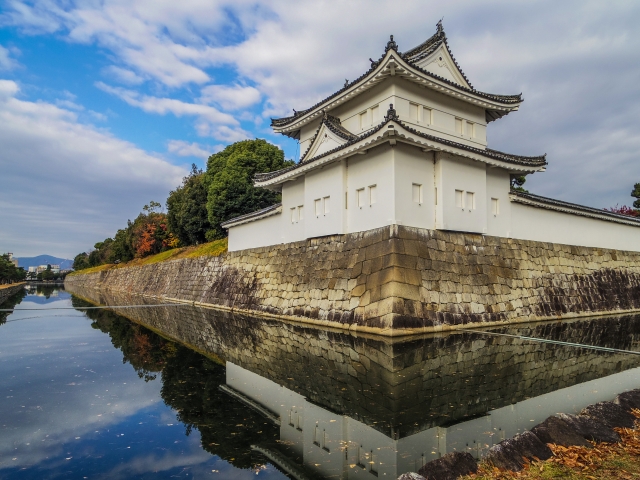
You’ll also have some more time to explore Kyoto’s other historical locations, like Nijo Castle, with its painted ceilings and squeaking nightingale floors; or areas outside the city center, like Arashiyama, with its famous bamboo grove (again, try to visit early to avoid a crowded visit!), beautiful river views, and the lovely temple gardens of Tenryu-ji Temple.
You can see an example of a practical three-day Kyoto itinerary here.
4-5 Days in Kyoto: The Sweet Spot
For most visitors, you’re going to want at least four or five days in Kyoto to really explore the city without feeling like you’re rushing to stuff everything in. With four to five days, you have the freedom to leave room for more spontaneous exploration when the mood strikes, or head to parts of the city that are slightly further afield, like Fushimi to the south, an area known for its sake breweries; or Kurama and Kibune to the north, with their forested temple and shrine, and a winding path along the mountainside where you can eat noodles on the river in the summer months. If you prefer even quieter, natural areas, you could head to Takao in the mountains, and climb the quiet stone steps of Jingo-ji Temple, or walk along a trail along the Kiyotaki River.
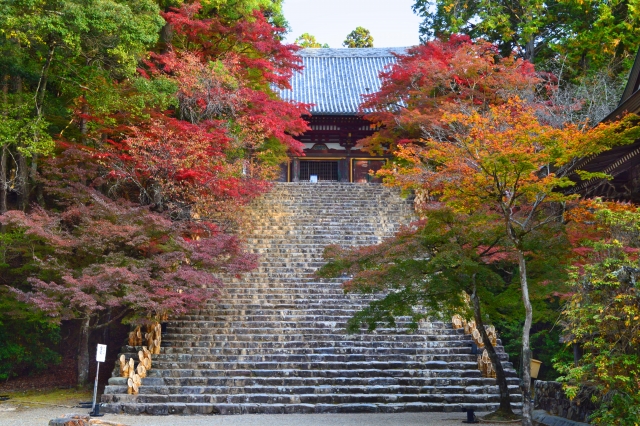
You also may want to venture out beyond Kyoto City to other nearby destinations, like Uji, a city known for its tea and the graceful Byodo-in Temple; or Nara, with its Great Buddha and famously bold deer.
Having this many days gives you enough flexibility for day trips, as well as the classic sights, which are on all the lists for a reason.
Other Things to Consider When Deciding How Long to Visit Kyoto
The Season Can Change Everything
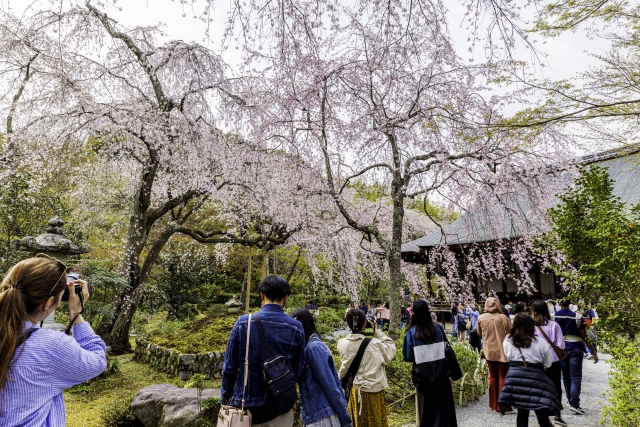
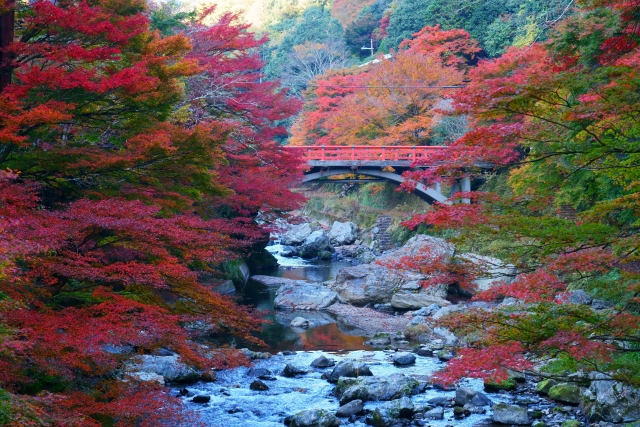
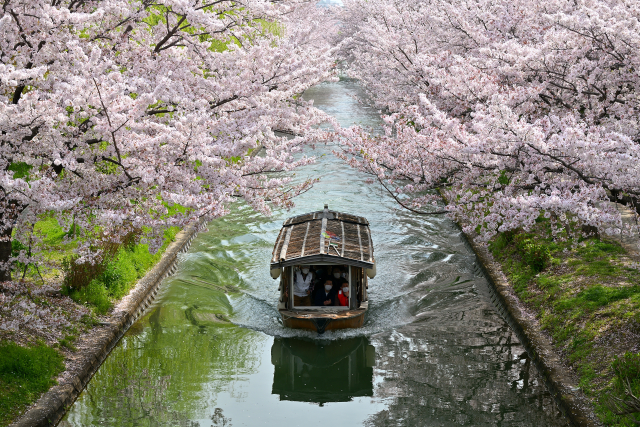
Kyoto in cherry blossom season (late March to mid-April) and autumn foliage season (mid-November) is genuinely magical, but can also be chaotic. Crowds at popular sites can be three times larger than usual, transport fills up fast, and accommodation prices spike significantly. If you’re visiting during these windows, build in an extra day and book everything well in advance.
Regardless of the time of year you visit, it’s a good idea to check in advance for any festivals or events. A huge event like the annual Gion Festival in July could make other plans in the city center more difficult, but it also presents an opportunity to experience a quintessentially Kyoto summer festival.
In these seasons, when you visit can sometimes have a greater effect on your trip that its duration.
Where You Stay Matters More Than You’d Think
Staying in central Kyoto (around Gion, Kawaramachi, or Kyoto Station) puts many of the city’s famous sights within reach by bus or a short taxi ride. Staying in Arashiyama or Fushimi can be wonderful for atmosphere but adds 30-60 minutes of transit to anything in the opposite direction. If you’re short on time, central is the pragmatic choice.
Your Pace and Party
Be realistic about your natural travel pace. If you tend to linger over coffee, sit with a view, and eat slowly – or if you’re traveling with children or older folks – you’re not going to get through four sites before lunch, and that’s perfectly fine. Kyoto rewards slowness. If in doubt, add a day to your itinerary to make sure you have a chance to properly experience the city.
Getting Around
Kyoto’s bus network is comprehensive but can be slow during peak hours. The city also has two subway lines that are easy to navigate, running north-south and east-west. Their simplicity means they can’t take you to every location, though, so be prepared to use a combination of bus, train, and possibly taxi, plus a good amount of walking! Kyoto is a flat city, so you don’t need to worry about climbing any hills in the center, but you should come with a pair of comfortable shoes.
You may also want to consider using a day pass for the bus and subway to get a better deal and make riding simpler.