If you’re planning a trip to Kansai, you’ve probably hit the same wall every first-time visitor to Japan hits: should you stay in Kyoto or Osaka? If you’re planning a longer stay, of course, the answer might be both! But if your time or budget are more limited, you might be forced to use one as your base and make trips to anywhere else you want to visit.
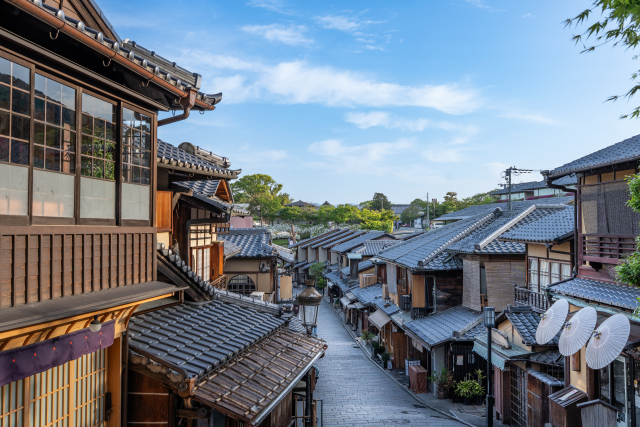
Kyoto and Osaka are just 30-45 minutes apart by train, but they can feel like they belong to different worlds. Kyoto is known for its traditional architecture, temples, and high cultural history, while a visit to Osaka is usually more about its bustling food and shopping arcades and fast-paced city energy. Whichever one you pick as your home base can shape the rhythm of your entire trip.
So, how to choose?
If your trip is long enough, you may not want to, and spending at least a few days in each city can get you a better sense of their different neighborhoods at different times of day. But no matter where you’re based, there isn’t really a wrong answer, and it will really come down to your preferences. You can easily do day trips from Osaka to Kyoto and vice versa.
Kyoto vs. Osaka At a Glance
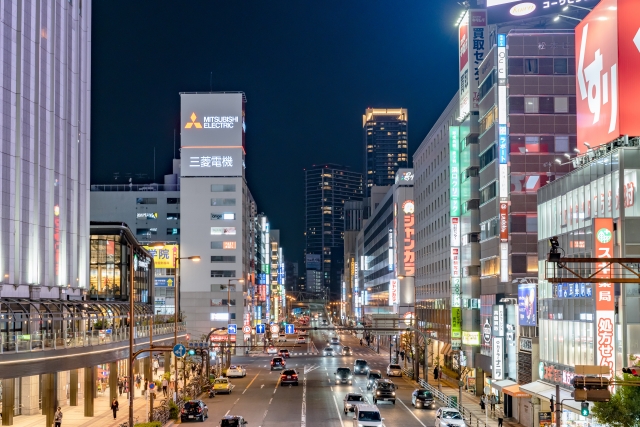
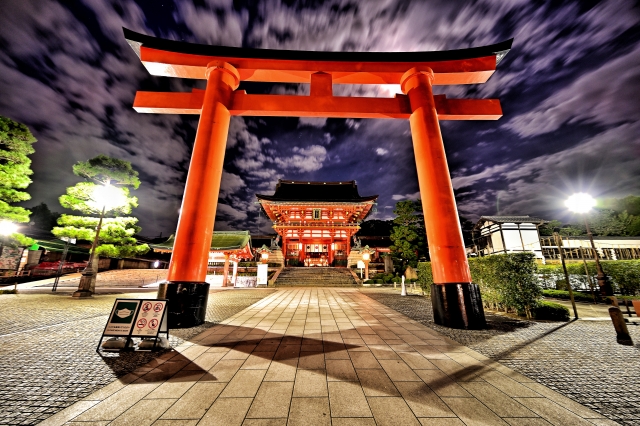
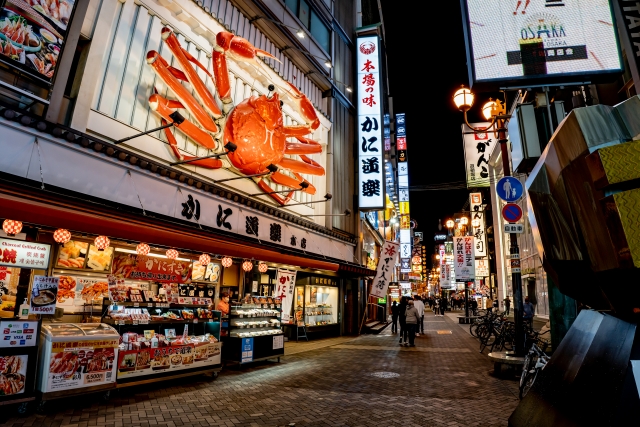
The difference between the two cities comes down to atmosphere as much as logistics. Kyoto feels historic and unmistakably Japanese, with an evening pace that’s calm and contemplative, made for a slow dinner rather than a night out. Osaka, by contrast, feels modern and full of character, especially after dark. Evenings in Osaka’s downtown and nightlife districts are going to lean more toward restaurant- and bar-hopping than winding down. Prices for accommodation in Kyoto tend to run higher and see more competition for vacancies, but you’re paying for character—traditional ryokan inns (see some of the best ryokan in Kyoto here), machiya houses, and proximity to Kyoto’s atmospheric old streets and ancient temples. There may be more accommodation options at lower price points in Osaka, which is the larger and more metropolitan of the two cities, but this might mean staying in a fairly generic business hotel with standard city surrounds.
Both cities are highly walkable, though Kyoto’s walkability takes you between major historic sights, while Osaka’s centers on shopping and entertainment strips. Nightlife is understated in Kyoto, built around izakaya and smaller bars, versus loud and extensive in Osaka. The food scene follows the same pattern: typically refined, seasonal, and rooted in tradition in Kyoto (though you can find some more casual fare in Nishiki Market, for example), and bold and casual in Osaka. Both are foodie cities in their own way, so it may come down to the kind of meals you prefer.
In general, Kyoto is probably best for first-time visitors, culture lovers, slow travelers, and anyone who wants their photos to actually look like Japan, while Osaka may better suit travelers looking for more nightlife and cheaper hotel prices.
Why Stay in Kyoto?
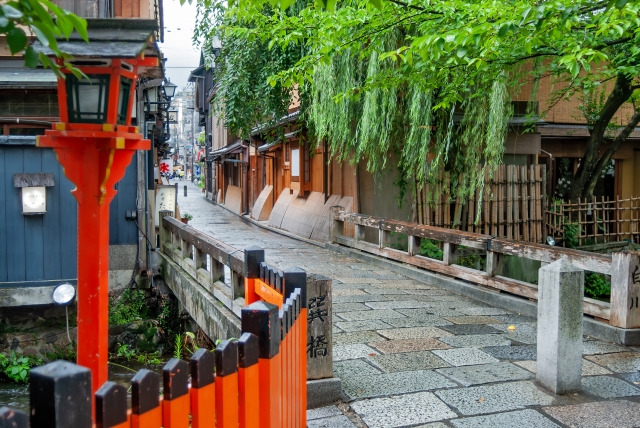
Kyoto is Japan’s former imperial capital, and in many of the city’s neighborhoods, it very much feels like it. Wooden machiya townhouses line quiet backstreets, and the city is home to more than a thousand temples and shrines—you can easily stumble upon little ones tucked away even in residential neighborhoods.
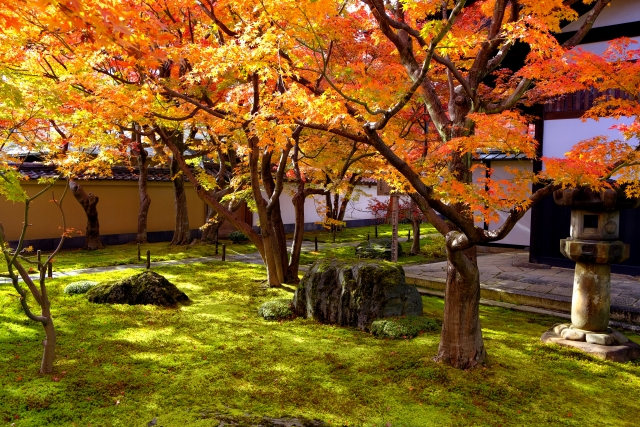
From a sightseeing perspective, and especially if this is your first time in Japan, Kyoto has an almost bottomless number of world-famous sights to see, like Fushimi Inari Taisha’s endless torii gates, the bamboo groves of Arashiyama, Gion’s geisha district, and so much more. That wealth of sites does come at a price, though, because it means the city is visited by huge numbers of tourists every year, especially during cherry blossom or autumn foliage season. This means there is more competition for central accommodation, and accommodation in Kyoto does tend to be pricier. If you can afford it, though, there are two big bonuses that might make it worth it: you’re more likely to find traditional, atmospheric inns like ryokan that will make even your overnights feel special, and, perhaps more importantly, you’ll have a better chance at seeing the sights before they get crowded. If you’re based in Kyoto, you can head out to catch Kiyomizu-dera Temple’s famous platform or the beautiful old streets of Higashiyama with some of their original peace and quiet.
If you want a change of pace, both Nara and Uji are easy day trips, while Osaka itself is only 30 minutes away whenever you’re in the mood for it. Staying in Kyoto is best for first-timers who want the immersive Japan experience, culture-focused travelers, and slow travelers who’d rather have calm mornings and unhurried walks through historical areas than a night out in a bustling entertainment district.
To learn more about where to stay if you’re considering Kyoto, see The Best Areas to Stay in Kyoto.
Why Stay in Osaka?
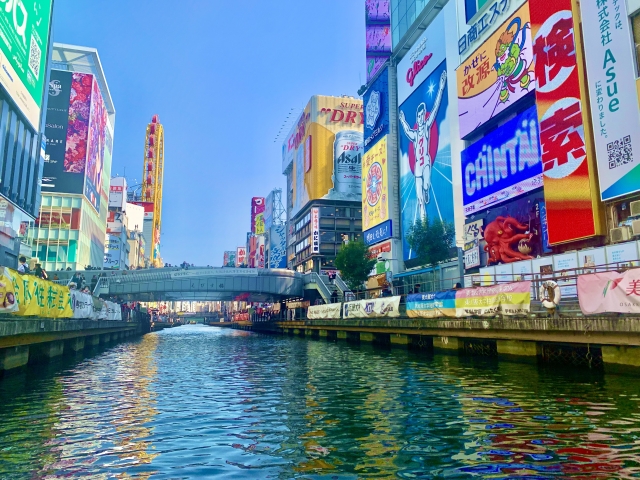
Osaka is Japan’s biggest food city, and it knows it. Locals even have a phrase for it, kuidaore—”eat until you drop.” It’s a bigger, more modern city, and it’s often the cheaper place to sleep.
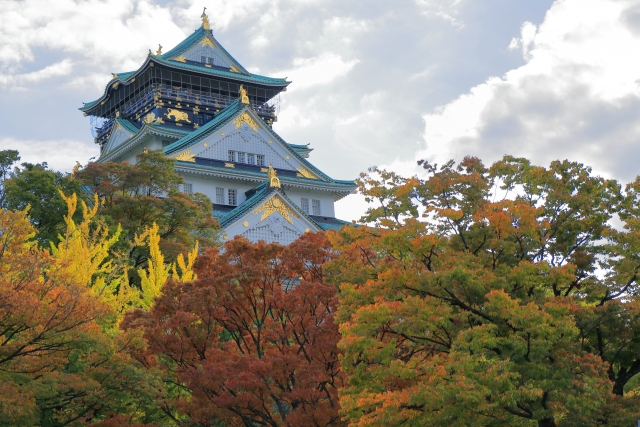
Some visitors find Osaka too much like other large cities in Japan, especially coming from Tokyo. This is a bit of a misperception, however. Osaka is known for its colorful people, cozy foods like okonomiyaki and takoyaki, and is home to some pretty distinctive neighborhoods of its own. Some parts of the city, like the Namba or Shinsaibashi areas, have become thronged with tourists, but there are plenty of other parts of the city to explore, and sightseeing spots like Osaka Castle and its park, the Osaka Kaiyukan Aquarium, and Universal Studios Japan.
Hotel rates in Osaka tend to run lower than Kyoto’s, the food scene is strong, especially for casual street food, and the nightlife around Dotonbori and Namba is loud and energetic. It’s also a well-connected train hub, which is useful if you’re adding in day trips to Kobe, Nara, or Himeji.
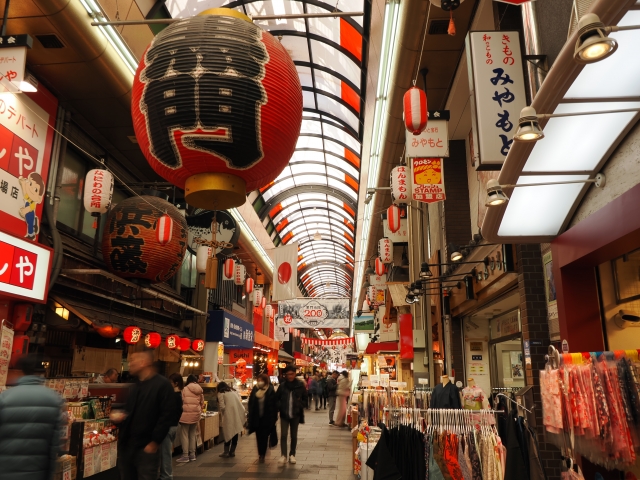
When it comes to sightseeing within Osaka proper, there are fewer must-see historic sights, and most visitors spend their time in the city eating and shopping. If you’re staying overnight, Osaka is best for travelers mainly looking for nightlife and the lowest possible hotel price, or those who want a food-and-shopping base and are comfortable train-hopping into Kyoto for historic or scenic deep dives.
So, should I stay in Kyoto or Osaka?
The answer depends on what you hope to get out of your trip: if your ideal vacation revolves around nightlife, shopping, and trying as much street food as possible, Osaka is an excellent choice and deserves a place on your Kansai itinerary.
But if you’re traveling to Japan to experience its living cultural and historical heritage, traditional streets, beautiful gardens, and a slower pace of life, Kyoto is one stop you’ll want to savor. Staying here means you’ll be able to see it at its quietest in the early mornings and evenings – and Osaka and other Kansai destinations will still be easily within reach whenever you want a change of pace.